Vinyl vs. Wood: Fence Company Malfunction
The day you choose to replace your fence, you're actually determining just how you desire your residential property to feel for years to come. A fencing is safety and security, yes, yet it's also a visual border and a daily background for everything from muddy boots to backyard picnics. And if you're contrasting plastic and wood, you're contrasting 2 very various individualities: one engineered to take care of periods with minimal drama, the various other built from a living material that rewards excellent treatment and great timing.
I've worked around sufficient fence company crews to know that a lot of "which is better" discussions miss the information that really make or break the result. Vinyl and timber can both look wonderful, both fall short if installed poorly, and both need a little common sense in the real life. So let's simplify the means an excellent installer would, with trade-offs, edge situations, and the practical inquiries that maintain individuals from being sorry for the choice six months later.
The actual question is not vinyl vs. Timber, it's maintenance vs. Mood
Wood has a mood. It reveals it in the method it weathers, the way it spots, and the means it reacts to inconsistent sun or lawn sprinkler overspray. Also when you do whatever right, wood changes. That can be an attribute, especially if you like the natural shifts, or if you want a specific search for a home that currently leans cozy and traditional.
Vinyl has a various mood. It's stable and predictable. It resists rot and does not warp the way boards can. Yet if you want a fence that mixes into the landscape with natural variant, vinyl can feel extra consistent, much more "manufactured." That harmony is likewise why lots of people love it. It doesn't stun you.
A fence company will certainly usually define it such as this: timber is an ongoing relationship, plastic is extra like signing a contract. Both can be terrific, yet they're constructed for different sort of homeowners.
Vinyl fencings: developed to disregard the weather
Vinyl is a plastic composite that comes in panels or rails, depending on the system. In method, a plastic fence stands out for a couple of factors: it does not rot, it isn't eaten by termites the way neglected or certain treated timber can be, and it doesn't require periodic discoloration to maintain color.
That said, vinyl isn't "no maintenance," it's even more like "upkeep that shows up less often." You still require to clean it sometimes, specifically if you live near trees that drop sap or pollen-heavy periods. A power clean at the incorrect angle can also damage parts or strip grime into touches, so most staffs adhere to gentle cleansing techniques or the producer's recommendations.
What plastic manages well
Vinyl tends to perform naturally throughout regular temperature swings. It likewise resists moisture breach, which indicates posts and rails are much less likely to rot from the within out. If you've ever seen a timber fencing that held with each other on the surface however began falling short at the base, you already understand why vinyl is attractive.
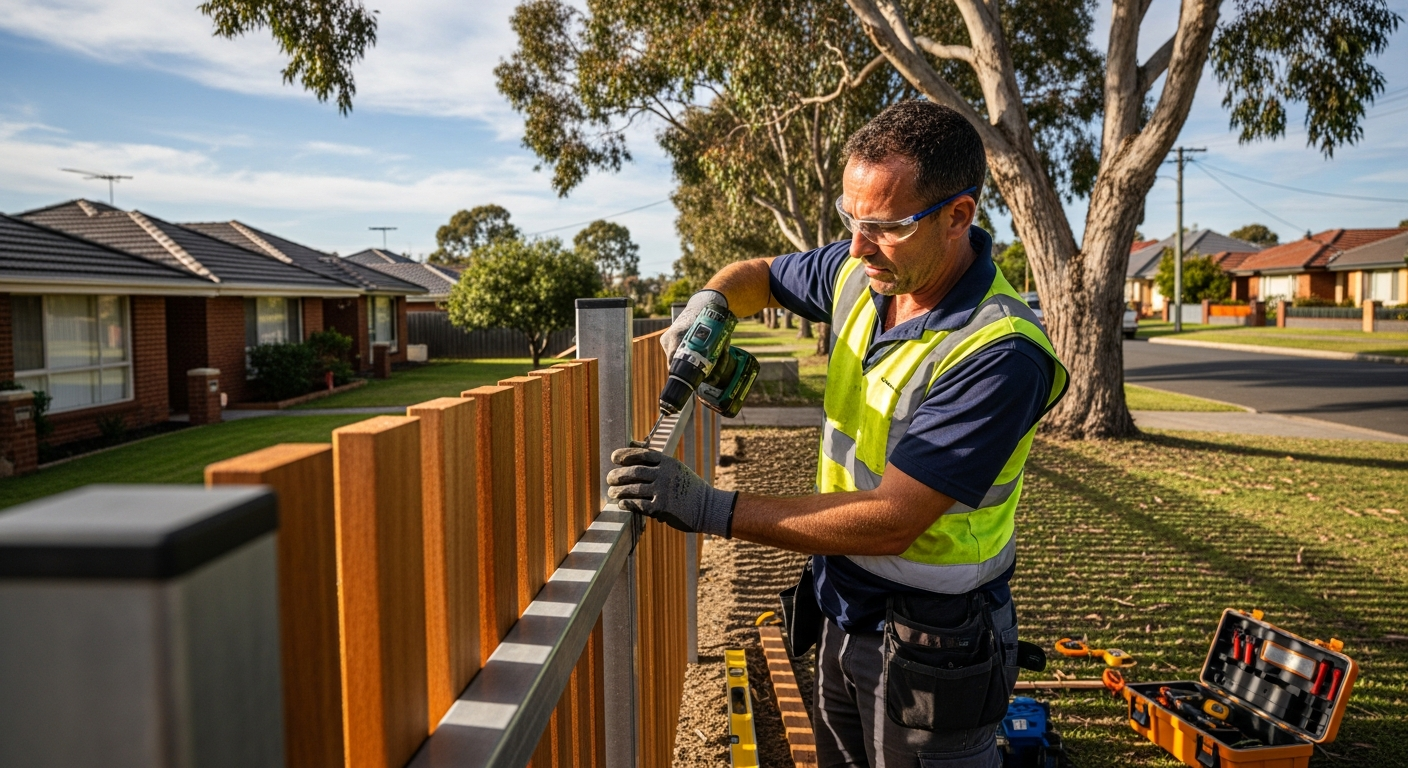
A 2nd advantage is consistency. Lots of vinyl systems utilize standard components for pickets, rails, and ports. When it's set up well, the fence maintains its geometry for several years. No twisting, no cupping boards, and usually no patchwork repair work that resemble somebody took on the trouble with a screwdriver at midnight.
Where plastic can get tricky
Vinyl can establish concerns if the installment details are careless, and the catch is that those concerns occasionally do not turn up immediately. Incorrect article deepness or inadequate spacing can worry the system as temperature levels alter. In high wind areas, that issues greater than people expect. A fence can look great during the calm weeks and after that reveal wobble or placement issues after a storm.
There's also the "heat and sunlight" fact. Darker vinyl can get hotter than lighter shades under direct sun, and in severe conditions, growth and contraction end up being pertinent. A respectable fence company prepares for this with correct installation resistances and growth behavior. If you're taking into consideration vinyl, ask exactly how they take care of thermal growth and whether they adhere to system-specific installation guidance.
Wood fencings: natural material, all-natural consequences
Wood fences are not just rather panels you tack up and bow out. They are crafted using living product, after that exposed to sun, rain, freeze-thaw cycles, and whatever your lawn throws at them. The secret to timber long life is less regarding trademark name and more concerning match-making: the right board, the appropriate treatment technique, and a build that maintains wetness from getting trapped.
When timber is done right, it lasts a long period of time. When it's done wrong, it fails quickly in the same foreseeable methods: messages rot at the ground line, rails split, pickets mug or bow, and fasteners corrode.
Why wood looks so good
If you've ever stood beside a strong wood fence, you'll see something plastic can't duplicate quickly. The grain and texture catch light differently. Discolorations and paints don't simply cover timber, they take in and react with it. Even fence shadow lines really feel more organic, much less uniform.
Wood likewise adapts visually. You can stain it to match siding, block tones, or trim. You can repaint it to match shutters. And when you're attempting to keep a typical home looking natural, wood commonly wins the visual argument.
The component people ignore: timber's relationship with moisture
Moisture is the major story. Timber soaks up water, and if water gets trapped at the base or behind rails, the damage begins even when the top looks fine. That's why article and ground contact information matter a lot. If you've obtained bad drainage near the fence line or lawn sprinklers targeted at the lower edge, anticipate a much shorter lifespan.
Another moisture catch is landscape design adjustments. I've seen fences installed in a completely dry period, then a few months later on hefty compost is stacked greater than it must be. The compost stays wet longer and keeps the reduced parts damp. The fencing doesn't "pick" to fail. It just slowly decomposes where it's frequently wet.
Wood's biggest "side situation" is maintenance timing
With timber, the best time to repair is prior to you see failing. Repaint or stain touch-ups are not a yearly ritual for everyone, yet timing matters. If you postpone tarnishing till the timber is currently grey and abject, you end up with much less also color and more labor to prep the surface area. In that scenario, repair services get much more expensive since you're doing both preparation and restoration.
Installation top quality decides a surprising amount
People often treat fence type as the whole choice. In truth, installation top quality is where both vinyl and wood either prosper for a decade or start looking weary inside a few seasons.
A fence company worth working with deals with installment like carpentry, not just setting up. That implies format precision, appropriate blog post spacing, and interest to degree and alignment. If you're fortunate, you'll never observe their workmanship until later on, when your fence holds directly after weather.
Vinyl setup specifics that matter
With vinyl, take notice of upload anchoring and the system's spacing policies. Vinyl fencings can be solid, but they rely on consistent framework. If blog posts are also shallow or unequal, the fencing can create spaces or sag. If rails are not seated properly, you can see misalignment along runs that look fine for a while and after that loosen up gradually.
Also ask about how the team handles fence edges and shifts. An excellent edge build is commonly the distinction in between a fencing that feels strong and one that appears like it's "attempting" to remain put.
Wood setup specifics that matter
For wood, the principles are the actual magic. Blog posts need appropriate depth and must be set to minimize the possibility of trapped moisture. Rails need to be lined up so water can run instead of sit in pockets. And hardware matters. Using the wrong bolts in a corrosive atmosphere can shorten the life expectancy also if the wood treatment is otherwise good.
A skilled staff will also take care of just how boards satisfy each other, specifically for pickets. Voids, overlap style, and spacing impact air movement and drying time. That drying time is a large bargain for avoiding rot.
Cost isn't simply material rate, it's what happens after year one
When home owners compare vinyl and wood, they usually start with material price. Yet the cash image modifications as soon as you factor in cleaning, repair work, staining, and how promptly the fencing starts to look worn.
Vinyl frequently has greater up front price. Timber typically has lower preliminary product expense, yet it can capture up after setup through staining, paint, repair work, and article replacement.
Here's a reasonable method to think of expense without acting there's one global number: the best approach depends upon your determination to maintain and your tolerance for visual adjustments. If you dislike doing touch-ups and desire "established it and neglect it," vinyl often tends to fit that way of living. If you delight in the hands-on side of home treatment, timber can end up being a workable project instead of a continuous headache.
A fast lived example
I once watched a neighbor's timber fencing go from crisp to patchy in a single period. The fence had actually been installed in a rush before an active summer season, and the staining schedule slipped. The timber really did not fall short over night, yet it began aging unevenly. After that sprinkler water struck the bottom edge every day. By the time the homeowner noticed, they weren't staining any longer, they were preparing repair services. It's not that timber is "negative," it's that the timeline matters, and tiny daily wetness habits load up.
On the other side, I have actually seen vinyl fences look all new after years simply due to the fact that the home owner really did not let particles accumulate versus the panels and the staff set up with the ideal resistances. The fencing stayed solid and easy to clean.
The appearance test: what you want to see every day
A fence isn't an appliance you only consider when it breaks. It's a daily view. The "ideal" choice is the one that still really feels right when you're tired after job and you glance out the window.
Vinyl usually delivers a cleaner, extra consistent look. If your residential property leans modern-day, the uniform lines can look willful. If you match plastic shade to trim and picket style attentively, it can look high-end instead of generic.
Wood provides much more adaptability in appearance and color. It additionally offers you the option to transform the look. If you https://storage.googleapis.com/slabdown/slabdown/timber-fencing/design-choices-to-go-over-with-your-timber-paling-fencing-builder.html tarnish and later on decide you desire a different color, timber can be refinished with sanding and recoat prep. Plastic can be cleansed and sometimes repaired, however you don't generally re-stain vinyl the same way. You're normally devoted to the produced shade and profile.
If you're particular regarding the shade, wood might feel much safer due to the fact that you can guide it gradually. If you're fussy about reduced initiative and consistent look, vinyl might feel safer.
Durability in storms and high wind areas
Here's where both materials satisfy the fact of your postal code. Wind load, fencing elevation, blog post spacing, and the bordering landscape matter greater than most individuals realize.
In high wind zones, plastic can perform exceptionally well when effectively installed. It's rigid compared to many flexible fencing types, and the panels can withstand damages if the structural system is built correctly.
Wood can likewise be strong in wind if the boards are set up with constant spacing and stable rails. However wood is extra susceptible to effect. A dropped branch or a yard tools incident can dent or splinter boards, which damage might call for substitute sections or repairs to keep the fence looking even.
If you have actually got children, animals, or a lawn where things walk around commonly, consider accident regularity. In those settings, "durable" doesn't just suggest climate resistant. It additionally suggests just how quickly the fence can be repaired without developing into a long-lasting patchwork.
Maintenance truth check, both sides
Maintenance gets described like a simple yes or no, yet it's more like regularity and effort.
Wood maintenance typically consists of routine discoloration or painting, plus assessments for rot at the base and checks of hardware after storms. You might do small repairs more frequently. In time, also well-built timber might need article substitute in the most stressed sections.
Vinyl maintenance often tends to involve periodic cleaning, visual checks for loose parts, and dealing with any type of damages immediately so tiny concerns do not increase. Plastic also benefits from not allowing dampness catch at the base against the product. Leaves, compost, and debris can hold wetness and color surfaces, which isn't helpful for anything.
To make this functional, below's a comparison of what house owners normally manage, not what advertising and marketing pamphlets promise.
- Vinyl: periodic cleansing and periodic inspections for placement, plus fast repairs for any kind of impact damage.
- Wood: routine staining or paint, plus a lot more constant evaluations for rot at posts, rail stability, and fastener corrosion.
If you're the sort of property owner that suches as preparation ahead, timber can seem like a foreseeable routine. If you 'd rather invest initiative somewhere else, vinyl often wins the day.
Choosing a style and elevation that do not mess up longevity
Fence style is not simply visual appeals. It can change airflow, drying out time, and wind behavior.
Solid panels catch more moisture and can decrease airflow contrasted to picket-style layouts, depending on construction. That does not immediately make one alternative much better, however it alters what you have to see. If solid or near-solid designs are your objective, you'll want a build that aids water drainpipe and dries out well after rain.
Height also matters. Taller fencings take more wind load and boost the chance that small installment issues come to be noticeable gradually. If you're considering a high fencing, ask your fence company how they compute message positioning and how they strengthen corners and entrance areas. Gates are frequently where fences either feel strong or start drooping first.
Gates and hardware: where both products can reveal their age
Gates are entitled to unique focus due to the fact that they do motion. Hinges, latches, and frameworks experience duplicated stress. If you've ever listened to a gateway creak and sag, you know what takes place when equipment is underspecified for the load.
Wood gateways can be larger depending on building, and the timber can change form slightly with moisture. That can impact latch alignment over time.
Vinyl gates can also sag or loosen if the framework hardware is not installed properly or if the post anchoring is weak. Vinyl is not immune to physics, and entrance areas typically reveal setup faster ways quickly.
If you're investing in a fence, gateways should be treated like a small system. A good fence company constructs them square, makes use of correctly rated hardware, and plans for the long-term rather than just the initial day.
How to speak to a fence company without getting unclear answers
The finest way to prevent remorses is to obtain specific, and not with aggressive doubting. You desire quality on how they develop, exactly how they deal with shifts, and what they do when something doesn't go as planned.
Ask regarding the message material and depth, also for vinyl. Ask what they use for base stabilization. Ask whether they comply with the product's installation advice, especially for edges, entrances, and placement resistances. In wood, ask exactly how they handle fasteners and what they advise for discoloring timetables based on your sunlight exposure.
Also ask exactly how they take care of residential or commercial property irregularities. If your yard has an incline, buried utilities, or rough soil, fencing efficiency relies on exactly how they adjust. A straight fencing line throughout a rough grade is less important than a fence that's structurally proper. A competent crew explains just how they'll handle it so the end result doesn't appear like it was set up from guesswork.
If you want an easy method to assess self-confidence, take note of exactly how they explain concerns. A trustworthy installer does not treat problems like shocks. They describe them as predictable elements and discuss the solution before you ask.
Two choice paths that operate in actual life
Sometimes the choice feels personal. Your schedule, your choices, your tolerance for upkeep, and just how you make use of the lawn all shape what makes sense.
Consider vinyl if you want lower visual modification and less recurring maintenance tasks. Plastic often tends to fit houses that want a durable border without preparing a reoccuring seasonal project.
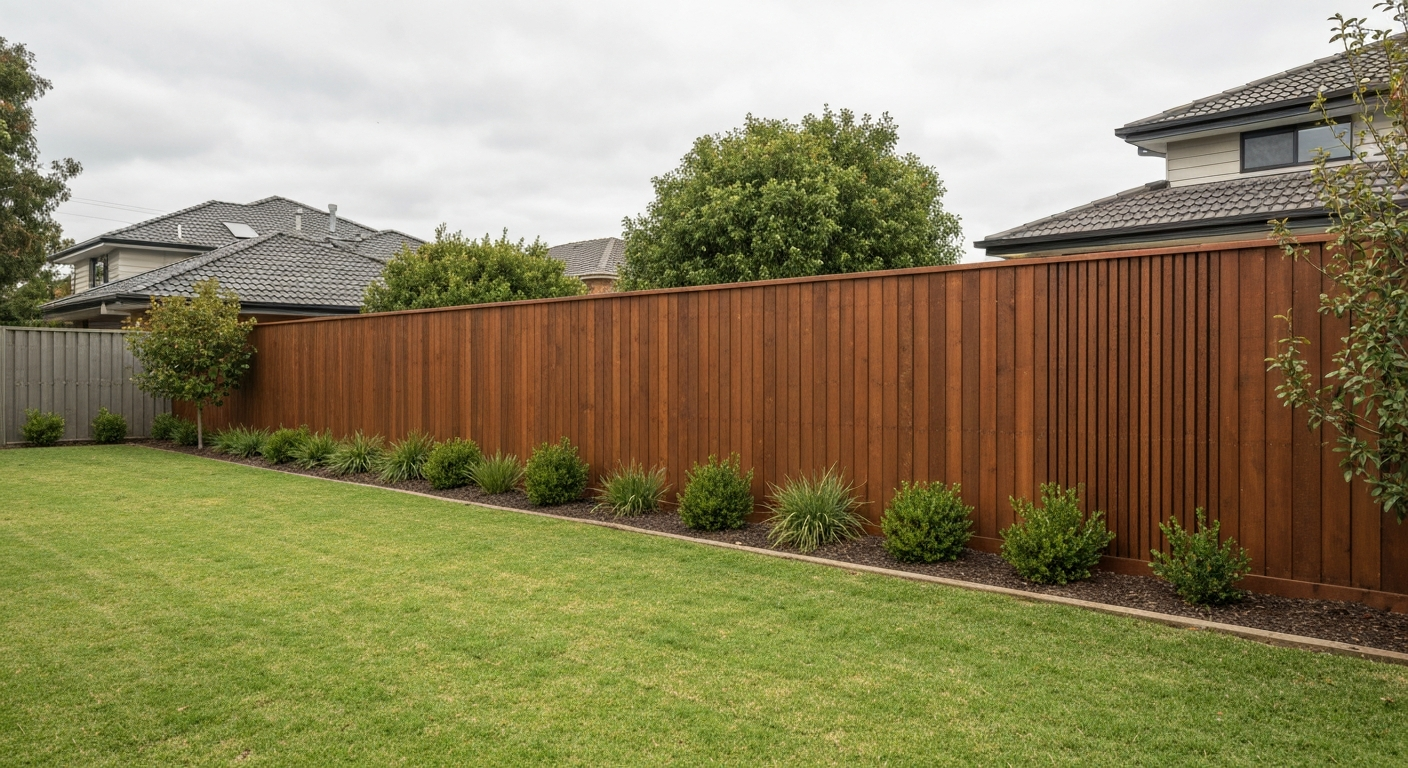
Consider wood if you want a warmer aesthetic, a lot more redecorating adaptability, and you want to remain included. Wood additionally makes sense when you're matching an existing design and you respect refined texture and shade depth.
Here's a more straight method to frame it in your head:
- If you want the fence to quietly live its life, plastic often feels like the easier companion.
- If you desire a fencing that looks richer as it develops, and you're all right keeping it, wood can be exceptionally satisfying.
Weather patterns and your backyard routines matter greater than you think
A fence a dry, bright backyard can behave extremely in a different way than a fence in an unclear, shaded location. The moment it takes for wood to completely dry after rainfall influences rot risk. The amount of leaf debris and pollen accumulation impacts vinyl discoloration and cleaning regularity. Also lawn sprinkler positioning modifications outcomes.
Look at your fencing line like an assessor. Where does water land after rainfall? Which areas remain shaded the majority of the day? Do you have a downspout that disposes near the messages? Are you cutting trees that drop sap or needles? These information affect which product will last with much less hassle.
If you have actually obtained pets that scratch or climb, or if you run a mower near the border, influence damage becomes part of the durability equation. Timber can be fixed, however it's more likely to reveal dents and splinters quickly. Vinyl can also crack under effect, though many home owners locate that tiny repairs are simple if dealt with early.
Final thought: choose the fencing that matches your partnership with upkeep
The ideal plastic fence and the very best timber fence are built with treatment, set up correctly, and maintained properly. The largest difference is the ongoing connection. Wood requests for focus at intervals and benefits you with beauty that feels active. Vinyl requests less constant intervention and pays you back with consistency.
If you're calling about and looking for a fence company, bring your real priorities. Tell them just how you utilize the lawn, whether you desire a low-maintenance routine, and what look you're chasing after. You'll get better estimates, and you'll be less likely to end up with a fence that technically functions however doesn't fit your life.
Choose based upon just how you want your home to really feel when the climate shifts, when seasons transform, and when you're busy. A fence is a lasting choice, however you can make it really feel simple once you focus on the genuine trade-off: upkeep and visual adaptability versus stability and foreseeable care.